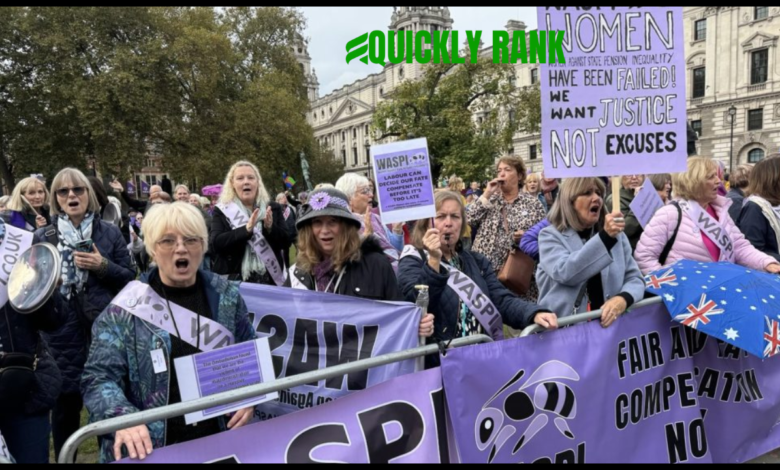
The women against state pension inequality campaign has become one of the most significant pension movements in the United Kingdom, representing women born in the 1950s who were affected by changes to the State Pension age. While the campaign supports the principle of equalizing the pension age for men and women, it argues that many women did not receive sufficient notice about the changes to adequately prepare for retirement. This lack of communication led to unexpected financial challenges, delayed retirement plans, and increased public concern about fairness in government policy. Over the years, the campaign has attracted widespread public support and continues to influence discussions about pension reform, accountability, and retirement security.
The women against state pension inequality movement has also encouraged millions of people to become more aware of the importance of retirement planning and staying informed about changes to pension legislation. Its impact extends beyond those directly affected, prompting policymakers, financial experts, and advocacy groups to discuss how future pension reforms should be communicated more effectively. As debates over compensation and government responsibility continue, the campaign remains an important example of how public advocacy can shape national policy discussions. This guide explores the history, objectives, challenges, and lasting impact of the movement while providing valuable information for anyone seeking to understand the WASPI campaign and its significance.
The Impact on Families and Local Communities
The effects of the State Pension age changes extended beyond individual women and influenced many families across the United Kingdom. In numerous households, retirement plans had been built around the expectation that women would begin receiving their State Pension at age 60. When eligibility was delayed, some families had to adjust their finances, postpone retirement goals, or provide additional financial support. This created challenges for couples, adult children, and even grandchildren who depended on family assistance. The experience highlighted how changes to public policy can have a lasting impact on household financial stability.
Many women also became caregivers for elderly parents, spouses, or grandchildren during the additional years they remained without a State Pension. Balancing unpaid care responsibilities with continued employment proved difficult for those who had already planned to retire. Some women reported increased stress as they tried to meet family obligations while managing reduced financial security. These circumstances demonstrated that retirement planning often affects an entire family rather than just one individual. As a result, the debate around women against state pension inequality continues to resonate with communities across the country.
Several charities, community organizations, and support groups have offered guidance to women navigating pension-related challenges. Financial education workshops, retirement planning advice, and legal information have become valuable resources for those seeking clarity about their options. Local campaign groups have also organized meetings and awareness events to encourage public discussion about pension fairness. These efforts have helped many women better understand their rights and available support services. Community involvement has therefore played an important role in maintaining momentum for the campaign.
The wider economic impact has also attracted attention from researchers and policymakers. Delayed retirement affected spending patterns, savings, and workforce participation among many women approaching retirement age. Some continued working longer than planned, while others relied on personal savings or alternative benefits before becoming eligible for the State Pension. These experiences illustrate why pension policy remains a significant public issue in the UK. Understanding these broader consequences provides valuable context when discussing women against state pension inequality and future retirement reforms.
Legal Challenges and Political Responses
Since the campaign began, legal action and political debate have shaped public understanding of the issue. Campaign representatives have pursued judicial reviews and supported complaints through official oversight bodies to highlight concerns about government communication. Although legal outcomes have varied, each development has brought greater attention to the experiences of women affected by pension age changes. Parliamentary discussions have also reflected growing public interest in finding a fair solution. The issue remains an important topic within UK politics.
Different political parties have expressed a range of views regarding compensation and pension reform. Some politicians have supported financial redress for affected women, while others have emphasized the long-term sustainability of the State Pension system. Debates often focus on balancing fairness for individuals with the financial implications of introducing a compensation scheme. This diversity of opinion has contributed to ongoing discussions in Parliament and among policy experts. As a result, the future direction of the campaign remains uncertain.
Campaign supporters continue to encourage elected representatives to consider the findings of the Parliamentary and Health Service Ombudsman. Public petitions, awareness campaigns, and constituency meetings have helped keep the issue visible within political discussions. Many campaigners believe continued engagement with policymakers is essential for achieving meaningful progress. At the same time, government officials maintain that any decisions must consider public finances and existing pension legislation. These differing perspectives continue to influence national debate.
Legal experts generally recommend that affected individuals stay informed through official announcements rather than relying on speculation. Court decisions, parliamentary statements, and government updates may influence future developments related to compensation or pension policy. Monitoring reliable information helps individuals make informed decisions about retirement planning and financial expectations. Regardless of future outcomes, the campaign has already influenced public discussion about accountability and effective government communication. It remains one of the most significant pension-related debates in recent UK history.
How to Check Your State Pension Status
Anyone approaching retirement should regularly review their State Pension information to understand when they can expect to receive payments. The UK government provides online tools that allow individuals to check their State Pension age, contribution history, and estimated retirement income. Reviewing this information early gives people more time to make financial adjustments if necessary. It also helps identify any gaps in National Insurance contributions that could affect future pension payments. Staying informed is an important part of effective retirement planning.
Checking your National Insurance record is equally important because contribution history determines eligibility for the full State Pension. Individuals who discover missing years may have opportunities to make voluntary contributions, depending on current government rules. Understanding contribution records can improve retirement income and reduce uncertainty before leaving employment. Many financial advisers recommend reviewing these records several years before reaching State Pension age. Early planning often leads to better financial outcomes.
Those affected by pension age changes should also keep copies of official correspondence and pension-related documents. Maintaining accurate records can be helpful when seeking financial advice or understanding personal retirement circumstances. Important documents include pension forecasts, National Insurance statements, and government letters explaining eligibility. Organized records make it easier to review retirement plans and respond to any future policy developments. Good documentation supports informed financial decision-making.
Seeking independent financial advice can also provide valuable guidance for retirement planning. Qualified advisers can explain pension options, workplace pension benefits, and strategies for managing retirement income. They can also help individuals understand how changes to pension policy may affect long-term financial security. Professional advice is particularly useful for those with complex employment histories or multiple pension arrangements. Careful planning remains one of the best ways to prepare for retirement with confidence.
Financial Lessons from Women Against State Pension Inequality
The women against state pension inequality campaign has demonstrated how important long-term financial planning is for anyone approaching retirement. Many women were forced to rethink their retirement goals after learning that their State Pension age had increased. This experience has encouraged people across the UK to regularly review their pension forecasts, savings, and retirement income. Financial experts often recommend staying informed about pension legislation and updating retirement plans whenever major policy changes occur. Learning from these experiences can help individuals build greater financial security and avoid unexpected challenges later in life.
One of the most valuable lessons from women against state pension inequality is the importance of taking a proactive approach to retirement planning. Checking National Insurance contributions, reviewing workplace pensions, and seeking professional financial advice can improve long-term financial stability. Individuals who regularly monitor their retirement plans are often better prepared to respond to changes in government policy. By staying informed and planning ahead, future retirees can make more confident financial decisions and reduce uncertainty about their retirement income.
Key Financial Lessons
- Review your State Pension forecast regularly.
- Check your National Insurance contribution record.
- Build additional retirement savings where possible.
- Monitor changes to UK pension legislation.
- Seek advice from a qualified financial adviser.
- Update your retirement plan as circumstances change.
These financial lessons from women against state pension inequality emphasize the importance of preparing for retirement early, monitoring pension updates, and making informed financial decisions throughout your working life.
Public Awareness and Media Coverage
The women against state pension inequality campaign has received extensive media attention, helping millions of people understand the challenges faced by women affected by State Pension age changes. Television news, newspapers, online publications, and social media platforms have shared personal stories and campaign updates over the years. This widespread coverage has increased public understanding of pension reform and encouraged discussions about fairness, accountability, and retirement planning. Greater media attention has also inspired more people to learn about their own pension rights and financial future.
Public awareness generated by women against state pension inequality has also strengthened community engagement across the United Kingdom. Campaign supporters have organized public meetings, educational events, petitions, and discussions with elected representatives to keep the issue in the national spotlight. These activities have encouraged policymakers to consider the concerns raised by affected women while educating the public about the importance of clear government communication. As awareness continues to grow, the campaign remains an influential voice in conversations about retirement policy.
How Public Awareness Has Increased
- National news organizations regularly covered the campaign.
- Social media helped spread personal experiences.
- Public meetings raised awareness across communities.
- Petitions attracted significant public support.
- Campaign groups engaged with Members of Parliament.
- Financial experts discussed retirement planning implications.
The continued visibility of women against state pension inequality has encouraged more people to understand pension reforms, review their retirement plans, and participate in discussions about fair public policy.
Why the WASPI Campaign Remains Important
The women against state pension inequality campaign remains significant because it highlights the importance of fairness and transparency in government decision-making. Although the campaign accepts the principle of equal State Pension ages, it argues that affected women should have received clearer and earlier communication about the changes. The debate has encouraged governments, policymakers, and public organizations to recognize the importance of informing citizens well before implementing major policy reforms. This message continues to influence discussions about accountability and public trust.
Another reason women against state pension inequality continues to receive attention is its impact on future pension policy. The campaign has encouraged broader conversations about retirement security, financial planning, and the responsibilities of public institutions when introducing legislative changes. Lessons learned from the campaign may help improve future communication strategies and reduce the likelihood of similar issues arising again. Its influence extends beyond those directly affected and contributes to wider discussions about responsible public administration.
Reasons the Campaign Still Matters
- Promotes transparent government communication.
- Encourages accountability in public policy.
- Highlights the importance of retirement planning.
- Supports discussions about pension reform.
- Raises awareness of financial security in later life.
- Helps improve future communication strategies.
Overall, women against state pension inequality continues to demonstrate why effective communication, fairness, and accountability are essential when governments introduce significant pension reforms.
The Lasting Impact of Women Against State Pension Inequality
The women against state pension inequality campaign has left a lasting mark on public discussions about pensions, retirement planning, and government accountability in the United Kingdom. By bringing attention to communication failures surrounding State Pension age changes, the campaign has encouraged millions of people to become more engaged with retirement planning and pension policy. It has also inspired greater public interest in understanding how legislative changes can affect long-term financial security. The campaign continues to serve as an important example of how public advocacy can influence national conversations.
Looking ahead, women against state pension inequality is likely to remain an important topic as governments continue reviewing pension policies and retirement systems. Whether future developments involve compensation, improved communication, or additional policy reforms, the campaign has already changed how many people think about retirement planning and public policy. Its legacy emphasizes the importance of transparency, fairness, and early communication whenever significant changes affect citizens’ financial futures. These lessons will remain valuable for future generations preparing for retirement.
Key Takeaways
- Increased awareness of pension communication issues.
- Encouraged better retirement planning.
- Influenced debates on pension fairness.
- Highlighted the value of government transparency.
- Strengthened public understanding of pension reforms.
- Continues to shape discussions about retirement policy.
The long-term impact of women against state pension inequality shows how informed public advocacy can encourage meaningful conversations about pension fairness, retirement security, and responsible government decision-making.
Future of the Women Against State Pension Inequality Campaign
The future of the women against state pension inequality campaign will depend on political decisions, public support, and any further recommendations from Parliament or oversight bodies. Campaign organizers continue to raise awareness while encouraging policymakers to consider fair compensation for women affected by communication failures. Public interest remains strong because the issue involves retirement security, government accountability, and financial fairness. Many supporters believe continued advocacy is essential for achieving lasting change. The campaign therefore remains active across the United Kingdom.
Future discussions may also influence how governments communicate significant policy changes to citizens. Clear and timely communication is widely recognized as an essential part of implementing major reforms, particularly when those reforms affect retirement income. Lessons learned from the WASPI campaign could help improve transparency in future pension legislation. Better communication may reduce confusion and allow individuals more time to adjust their financial plans. This could strengthen public confidence in government decision-making.
Retirement policy is expected to remain an important topic as populations continue to age and life expectancy changes. Governments face ongoing challenges in balancing financial sustainability with fairness for citizens approaching retirement. Discussions surrounding women against state pension inequality have highlighted the importance of considering both economic factors and the real-life experiences of those affected by policy changes. These conversations may influence future pension reforms and communication strategies. They also demonstrate the value of public engagement in shaping national policy.
Although the campaign’s final outcome remains uncertain, it has already had a lasting impact on public awareness of pension issues. Millions of people now have a greater understanding of how State Pension age changes can affect retirement planning and financial security. The campaign has encouraged wider conversations about fairness, accountability, and effective communication in government policy. Regardless of future decisions, its influence will continue to shape discussions about pensions for years to come.
Conclusion
The women against state pension inequality campaign has become a landmark movement in the United Kingdom, highlighting the importance of fair communication, transparency, and responsible pension policy. Although debates about compensation and government accountability continue, the campaign has already increased public awareness of retirement planning and pension reforms. Its lasting influence has encouraged millions of people to stay informed about their retirement rights while reminding policymakers of the importance of clear communication when implementing significant legislative changes.
Frequently Asked Questions
1. What is Women Against State Pension Inequality?
Women Against State Pension Inequality (WASPI) is a campaign representing women born in the 1950s who were affected by changes to the UK State Pension age.
2. What does the WASPI campaign want?
The campaign seeks fair compensation for women who experienced financial hardship due to inadequate communication about State Pension age changes.
3. Who is affected by Women Against State Pension Inequality?
The campaign mainly affects women born between 6 April 1950 and 5 April 1960 whose retirement plans were impacted by pension age reforms.
4. Did the government change the State Pension age?
Yes, the UK government increased and equalized the State Pension age through pension reforms introduced in 1995 and accelerated in 2011.
5. Has compensation been approved for WASPI women?
No, a universal compensation scheme has not been approved, although the Ombudsman recommended that Parliament consider compensation.
6. Is the Women Against State Pension Inequality campaign still active?
Yes, women against state pension inequality continues to campaign for compensation and greater government accountability.
7. Where can I check my State Pension information?
You can check your State Pension forecast and National Insurance record through the official UK Government website.