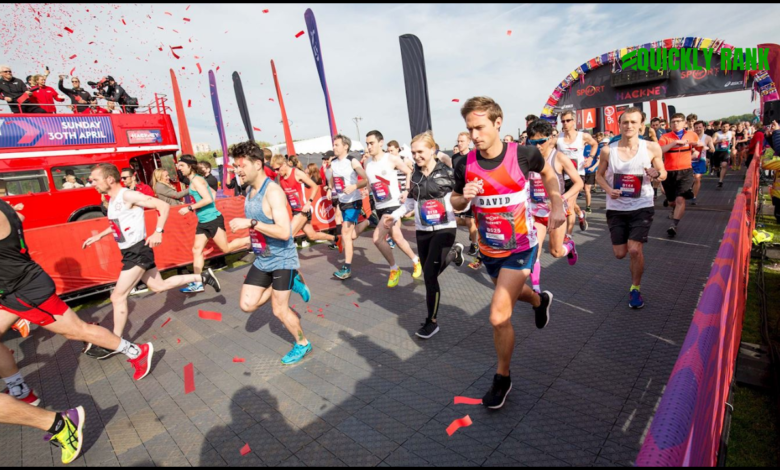
The hackney half marathon is one of the most exciting and well-attended running events in the United Kingdom, attracting thousands of participants every year. Held in the heart of East London, this iconic 13.1-mile race combines a fast course with an electric atmosphere, live entertainment, and enthusiastic crowd support. It welcomes runners of all experience levels, from first-time participants to seasoned athletes aiming for a new personal best. As part of the Hackney Moves Festival, the event promotes fitness, community engagement, and healthy living while showcasing some of East London’s most vibrant streets and landmarks. Its excellent organisation and unforgettable race-day experience have made it one of the country’s most popular half marathons.
Whether you are planning to run, support a participant, or simply learn more about the event, this guide covers everything you need to know about the hackney half marathon. From registration and course details to training advice, race-day preparation, nutrition, transportation, recovery tips, and frequently asked questions, every essential topic is explained in one place. You’ll also discover useful planning tips, practical checklists, and helpful resources to ensure a smooth and enjoyable experience. With the right preparation and knowledge, runners can approach race day with confidence and fully enjoy one of London’s most celebrated running events.
Best Time to Prepare for the Hackney Half Marathon
Preparing early for the hackney half marathon gives runners enough time to build endurance, improve speed, and reduce the risk of injury. Most experienced coaches recommend beginning a structured training plan at least 12 to 16 weeks before race day. This gradual approach allows runners to increase weekly mileage safely while including recovery days that are essential for long-term progress. Consistency is far more important than completing a few intense sessions, and steady improvement often leads to better race-day performance.
A balanced training schedule should include long runs, easy recovery runs, interval workouts, and strength exercises. Cross-training activities such as cycling, swimming, or yoga can improve overall fitness while reducing stress on the joints. Proper hydration and a nutritious diet also play a vital role in helping the body recover between workouts. Preparing for the hackney half marathon involves both physical conditioning and mental confidence, making every week of training valuable.
Many runners also practise using the same shoes, clothing, and nutrition they plan to use on race day. Testing equipment during training helps prevent unexpected problems such as blisters or discomfort during the event. It is also helpful to complete at least one long run that closely matches race conditions. Building familiarity with your gear can make the entire experience more comfortable and enjoyable.
Rest is just as important as training because muscles become stronger during recovery periods. Adequate sleep, stretching, and recovery sessions help reduce fatigue while improving overall performance. Listening to your body and avoiding overtraining can prevent injuries that might interrupt your preparation. A well-planned schedule creates the best opportunity for a successful finish and an enjoyable race experience.
Common Mistakes to Avoid During the Hackney Half Marathon
One of the biggest mistakes runners make during the hackney half marathon is starting too fast. The excitement of the crowd and the energy at the starting line often encourage participants to run faster than their planned pace. Conserving energy during the opening miles usually results in a stronger finish. Following a consistent pacing strategy helps maintain endurance throughout the entire course.
Another common error is trying new nutrition or equipment on race day. Shoes, clothing, energy gels, and hydration products should always be tested during training to avoid unpleasant surprises. Small issues that seem insignificant before the race can become major distractions after several miles. Careful preparation helps runners stay focused on their performance rather than unexpected discomfort during the hackney half marathon.
Ignoring hydration and weather conditions can also affect race performance. Warm temperatures increase fluid loss, while cooler weather may require additional layers before the race begins. Checking the forecast in advance allows runners to dress appropriately and adjust hydration plans if necessary. Being prepared for changing conditions contributes to a safer and more comfortable experience.
Finally, many runners forget the importance of recovery after crossing the finish line. Walking for several minutes, drinking fluids, eating a balanced snack, and performing gentle stretching help the body begin recovering immediately. Proper post-race care reduces soreness and supports faster recovery. Taking care of your body after the event is just as important as preparing beforehand.
Benefits of Running the Hackney Half Marathon
Participating in the hackney half marathon offers numerous physical and mental health benefits beyond simply completing a race. Regular training improves cardiovascular fitness, strengthens muscles, increases endurance, and supports healthy weight management. Many runners also experience greater self-confidence after reaching such an important milestone. The sense of achievement often inspires participants to pursue additional fitness goals.
The event also creates opportunities to meet other runners who share similar interests and fitness ambitions. Local running clubs frequently organise group training sessions that help beginners stay motivated throughout their preparation. Building friendships within the running community makes training more enjoyable and provides valuable encouragement. The supportive atmosphere surrounding the hackney half marathon is one of the reasons so many participants return every year.
Charity fundraising is another significant benefit of taking part in the event. Thousands of runners choose to support important causes while preparing for the race, raising substantial amounts for medical research, community programmes, and humanitarian organisations. Combining personal achievement with charitable giving creates a rewarding experience for participants and beneficiaries alike.
Completing a half marathon also encourages healthier lifestyle habits that continue well beyond race day. Many runners adopt improved eating habits, better sleep routines, and more consistent exercise schedules throughout their training journey. These positive lifestyle changes often continue long after the event has finished, contributing to improved long-term health and wellbeing.
Nutrition Tips Before the Hackney Half Marathon
Preparing your body with the right nutrition is one of the most important steps before the hackney half marathon. A balanced diet that includes complex carbohydrates, lean protein, healthy fats, fruits, and vegetables provides the energy needed for training and race day. Staying hydrated throughout the weeks leading up to the event also supports endurance, muscle function, and overall performance. Proper nutrition helps runners arrive at the hackney half marathon feeling strong, healthy, and ready to perform at their best.
A well-planned nutrition strategy can make a noticeable difference in your comfort, stamina, and recovery during race week.
On the day before the race, many athletes increase their carbohydrate intake slightly to maximise energy stores without overeating. A light breakfast consumed two to three hours before the start can provide lasting energy while reducing digestive discomfort. It is also recommended to use only familiar energy gels or snacks that have been tested during training. Following a sensible nutrition strategy increases the chances of enjoying a comfortable and successful race experience.
Nutrition Checklist
- Eat complex carbohydrates before the race.
- Include lean protein in your meals.
- Stay hydrated throughout training.
- Avoid trying new foods before race day.
- Eat a light breakfast on race morning.
- Carry tested energy gels if needed.
Choosing familiar foods and maintaining proper hydration helps support consistent energy throughout the race.
Safety and Medical Support During the Hackney Half Marathon
Safety remains a top priority throughout the hackney half marathon, with trained medical teams, first aid stations, and emergency personnel positioned along the course. Water stations are located at regular intervals to help participants stay hydrated and maintain their performance. Volunteers also assist runners by providing guidance and support from the starting line to the finish area. These comprehensive safety measures ensure the hackney half marathon is well prepared to support participants throughout the event.
Knowing where medical stations are located before the race begins can provide additional peace of mind for every participant.
Runners should also take personal responsibility by recognising signs of dehydration, fatigue, or injury during the race. Slowing down or requesting medical assistance when needed is always the safest decision. Wearing suitable running gear and following a realistic pacing strategy can reduce the likelihood of common race-day injuries. Combining professional event support with careful preparation creates a safer and more enjoyable experience for every participant.
Safety Checklist
- Follow your planned running pace.
- Drink water at hydration stations.
- Wear comfortable running shoes.
- Report injuries immediately.
- Follow instructions from race officials.
- Keep emergency contact details with you.
Following these simple safety practices helps ensure a smooth and enjoyable race-day experience.
Transportation and Parking for the Hackney Half Marathon
Planning transportation before the hackney half marathon can make race morning much less stressful. Public transport is generally the most convenient option because many surrounding roads are closed for the event. Trains, buses, and London Underground services provide convenient access to the start and finish areas, allowing runners to arrive with enough time to prepare. Careful travel planning helps participants reach the hackney half marathon without unnecessary delays or last-minute complications.
Arriving early allows plenty of time for security checks, baggage drop, and a relaxed warm-up before the race starts.
Participants travelling by car should research available parking facilities well in advance because nearby spaces may fill quickly. Some runners choose accommodation close to the venue to avoid early morning travel and traffic. Leaving home earlier than expected also provides extra time for unexpected transport disruptions. Good planning allows runners to begin race day feeling relaxed and focused.
Transportation Checklist
- Check public transport schedules.
- Arrive at the venue early.
- Review road closure information.
- Book parking in advance if driving.
- Keep your race confirmation accessible.
- Plan your return journey after the event.
Preparing your travel arrangements in advance helps eliminate unnecessary race-day stress.
Recovery After the Hackney Half Marathon
Recovery is an essential part of completing the hackney half marathon successfully and should begin immediately after crossing the finish line. Walking for several minutes helps gradually reduce heart rate while preventing muscle stiffness. Rehydrating with water or electrolyte drinks and eating a nutritious meal containing carbohydrates and protein supports faster muscle recovery. A proper recovery routine allows participants to recover comfortably after the hackney half marathon and prepares the body for future training.
Allowing your body enough time to recover helps reduce soreness and supports long-term running performance.
The days following the race should focus on rest, light movement, and continued hydration rather than returning to intense exercise too quickly. Gentle activities such as walking, swimming, or stretching can improve circulation while reducing soreness. Getting sufficient sleep and maintaining a balanced diet also contribute to faster physical recovery. Giving the body adequate time to recover helps runners return to training stronger and more confident.
Recovery Checklist
- Walk after crossing the finish line.
- Drink plenty of fluids.
- Eat a balanced recovery meal.
- Stretch gently after the race.
- Get adequate sleep.
- Resume training gradually.
A consistent recovery routine helps you regain strength and prepares you for your next running challenge.
Future Growth and Popularity of the Hackney Half Marathon
The hackney half marathon continues to attract increasing numbers of participants every year because of its excellent organisation and unique festival atmosphere. Growing interest in recreational running has encouraged more people to participate in endurance events across the United Kingdom. The race has successfully positioned itself as one of London’s premier annual sporting occasions. Continued investment in event management ensures a high-quality experience for both runners and spectators.
Advances in race technology have improved the overall participant experience through digital registration, live tracking, electronic timing, and mobile event updates. These innovations make planning and participating more convenient than ever before. As technology continues to develop, future editions of the event are expected to become even more efficient and enjoyable. The hackney half marathon is well positioned to remain one of the country’s most respected road races.
Environmental sustainability is becoming an increasingly important focus for major sporting events. Organisers continue introducing recycling initiatives, reducing single-use plastics, and encouraging environmentally responsible travel options. These improvements help minimise environmental impact while maintaining excellent race standards. Sustainable event management benefits both participants and the local community.
Looking ahead, the popularity of the race is expected to continue growing as more runners seek memorable and well-organised endurance events. Strong community involvement, enthusiastic spectators, and continuous improvements make the event attractive to runners of every ability level. Whether participating for competition, charity, or personal achievement, future editions promise to deliver the same exciting atmosphere that has made the event so well known.
Conclusion
The hackney half marathon is one of the best running events in London for both beginners and experienced runners. It offers a well-organised race, a flat course, great crowd support, and a fun festival atmosphere that makes race day enjoyable from start to finish. By training well, registering early, planning your travel, and following simple race-day tips, you can have a safe and memorable experience. Whether you want to finish your first half marathon or achieve a new personal best, the hackney half marathon is an excellent event that combines fitness, community spirit, and an unforgettable day of running.
Also Read:Yorkshire Wildlife Park Tickets Explained Prices Offers Facilities Planning Guide
Frequently Asked Questions
1. When is the Hackney Half Marathon usually held?
The hackney half marathon is typically held annually in May as part of the Hackney Moves Festival.
2. How long is the Hackney Half Marathon?
The race follows the official half marathon distance of 13.1 miles (21.1 kilometres).
3. Is the Hackney Half Marathon suitable for beginners?
Yes, its supportive atmosphere and relatively flat course make it a great choice for first-time runners.
4. How can I register for the Hackney Half Marathon?
You can register through the official event website when entries open or secure a charity place if general entries sell out.
5. Are there water and medical stations on the course?
Yes, hydration points and professional medical teams are available throughout the race route.
6. What should I bring on race day?
Bring your race bib, photo ID, running shoes, comfortable clothing, hydration, and any approved nutrition you plan to use.
7. Can spectators watch the Hackney Half Marathon?
Yes, family and friends can cheer runners from several designated viewing areas along the course.