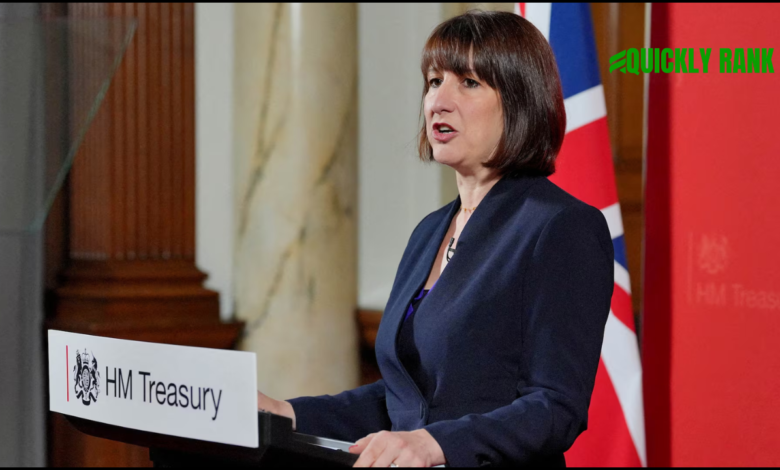
The Rachel Reeves Inheritance Tax reforms have become a major topic of discussion among UK families, homeowners, pension holders, farmers, and business owners. These changes focus on how estates, pensions, agricultural assets, and business property are treated when wealth is passed between generations. While the inheritance tax rate remains unchanged, adjustments to certain reliefs and exemptions could affect future estate planning decisions. Understanding these updates is important for anyone looking to protect their assets and prepare for possible tax responsibilities.
The Rachel Reeves Inheritance Tax changes highlight the growing importance of reviewing wills, pensions, investments, and ownership arrangements. Rising property values and frozen tax thresholds mean more families may need to consider inheritance tax planning in the future. By staying informed about the latest rules, individuals can make better financial decisions, understand available allowances, and create effective plans for transferring wealth to future generations.
Rachel Reeves Inheritance Tax and Pension Rule Changes
The Rachel Reeves Inheritance Tax reforms include major changes to how unused pension funds will be treated for inheritance tax purposes. From April 2027, many pension pots that were previously outside an estate may become part of the taxable estate. This means families who planned to pass pension wealth to children or grandchildren could face a higher inheritance tax bill. Financial experts recommend reviewing retirement plans well before these changes come into effect to avoid unexpected tax liabilities.
For many households, pensions represent one of their largest financial assets after their home. Because of the Rachel Reeves Inheritance Tax reforms, pension beneficiaries may receive less than expected if proper estate planning has not been completed. Updating beneficiary nominations, reviewing pension arrangements, and seeking professional advice can help families make informed decisions. Taking action early provides more flexibility and may reduce future tax burdens.
Many financial advisers now encourage people approaching retirement to review both their pensions and overall estate planning strategy. The new rules highlight the importance of understanding how different assets are taxed after death. Every family’s financial circumstances are different, so personalised advice is often the best approach. Careful planning can help ensure wealth is transferred as efficiently as possible.
Although these reforms have generated considerable debate, they also encourage individuals to think more carefully about long-term financial planning. Reviewing pensions alongside wills, savings, investments, and property creates a more complete estate strategy. Families who stay informed about changing tax legislation are often better prepared for future financial decisions. Understanding the new pension rules is now an essential part of inheritance tax planning
Rachel Reeves Inheritance Tax Impact on Farmers and Family Businesses
Farming families and business owners are among the groups paying closest attention to the latest inheritance tax reforms. The Rachel Reeves Inheritance Tax changes introduce revised rules for Agricultural Property Relief and Business Property Relief, which have traditionally helped families pass valuable assets to the next generation. While reliefs continue to exist, new limits could increase inheritance tax liabilities for larger estates. This has prompted many families to review succession plans much earlier than before.
Agricultural businesses often involve land, machinery, livestock, and family ownership built over several generations. Under the Rachel Reeves Inheritance Tax reforms, some farms may no longer qualify for the same level of tax relief as they previously enjoyed. As a result, farming families are exploring different ownership structures and estate planning strategies to protect their businesses. Professional advice has become increasingly important as these rules evolve.
Family-owned companies also face new planning challenges. Business owners who expected to transfer shares to children without significant inheritance tax may need to reconsider their succession strategy. Reviewing company valuations, shareholder agreements, and ownership arrangements can help reduce uncertainty. Early planning provides greater opportunities to adapt before the reforms are fully implemented.
Industry organisations continue to discuss the possible long-term effects of these reforms on rural communities and small businesses. Some experts believe the changes will improve fairness within the tax system, while others fear they could discourage investment in family enterprises. Whatever the outcome, staying informed and reviewing business plans regularly remains the most practical approach. Good preparation can help families manage future tax responsibilities more effectively.
Estate Planning Tips After the Rachel Reeves Inheritance Tax Reforms
Estate planning has become more important than ever following the recent inheritance tax changes. Individuals should regularly review their wills, trusts, pension nominations, and property ownership to ensure their plans remain suitable. The Rachel Reeves Inheritance Tax reforms have encouraged many families to update financial arrangements that may not have been reviewed for years. Small changes made today can make a significant difference for future beneficiaries.
Making gifts during your lifetime may still reduce the overall value of an estate, provided the relevant tax rules are followed. Many people also review how jointly owned assets are structured to improve estate efficiency. Because the Rachel Reeves Inheritance Tax reforms affect several different types of assets, a complete financial review is often more effective than focusing on one asset alone. Professional guidance helps ensure all available allowances are considered.
Keeping financial records organised is another valuable step in estate planning. Executors can administer an estate more efficiently when documents relating to property, pensions, investments, and insurance policies are easy to locate. Clear documentation also reduces delays and helps beneficiaries understand the overall estate. Good record-keeping supports smoother inheritance tax administration.
Estate planning should not only focus on reducing tax but also on ensuring personal wishes are respected. A regularly updated will provides clarity for family members and helps minimise disputes after death. Reviewing financial arrangements every few years allows plans to adapt to changing legislation and personal circumstances. A proactive approach provides peace of mind for both individuals and their families.
How Families Can Prepare for Future Rachel Reeves Inheritance Tax Changes
Preparing early for the Rachel Reeves Inheritance Tax reforms can help families avoid unexpected financial challenges in the future. Reviewing wills, pension nominations, property ownership, and investment portfolios ensures that estate plans remain aligned with the latest UK tax legislation. Understanding available tax allowances and exemptions is also important because it can reduce unnecessary inheritance tax liabilities. Early planning provides families with greater flexibility when transferring wealth to future generations.
Working with a qualified financial adviser or estate planning specialist can make it easier to respond to the Rachel Reeves Inheritance Tax changes. Professional guidance helps identify potential tax risks and ensures estate plans remain compliant with current regulations. Regular financial reviews are especially useful after government Budget announcements or changes to tax law. A well-prepared estate plan can protect family wealth and provide peace of mind for beneficiaries.
Key Preparation Tips
- Review your will every few years.
- Update pension beneficiary nominations.
- Keep financial records organised.
- Understand current inheritance tax allowances.
- Consider lifetime gifting opportunities.
- Seek professional estate planning advice.
These preparation steps can help families stay ready for future changes and make better decisions about their financial legacy.
Common Misunderstandings About Rachel Reeves Inheritance Tax
Many people believe the Rachel Reeves Inheritance Tax reforms mean everyone will have to pay more inheritance tax, but this is not entirely accurate. Most estates still benefit from tax-free allowances, and transfers between spouses or civil partners generally remain exempt. Understanding how the rules actually work helps families make informed financial decisions rather than relying on misinformation. Learning the facts is the first step towards effective estate planning.
Another common misunderstanding is that Rachel Reeves Inheritance Tax only affects very wealthy individuals. Rising property prices, larger pension savings, and frozen tax thresholds mean more middle-income families could eventually become affected. Estate planning is therefore becoming increasingly important for a wider range of households across the UK. Staying informed allows families to prepare well before inheritance tax becomes an issue.
Common Myths
- Everyone pays inheritance tax.
- The tax rate has increased above 40%.
- Pensions are always exempt from inheritance tax.
- Only millionaires need estate planning.
- Inheritance tax applies to every family home.
- Estate planning is only necessary later in life.
Understanding the difference between facts and misconceptions can help families approach inheritance tax planning with greater confidence.
Financial Planning Strategies to Reduce Rachel Reeves Inheritance Tax
Effective financial planning can help families manage the impact of Rachel Reeves Inheritance Tax while protecting assets for future generations. Reviewing property ownership, pensions, savings, investments, and lifetime gifting opportunities may reduce the value of a taxable estate. Every family’s financial situation is different, so planning strategies should always be tailored to individual circumstances. Regular reviews help ensure estate plans remain effective as tax legislation changes.
Updating legal documents is another essential part of preparing for Rachel Reeves Inheritance Tax changes. Wills, trusts, and beneficiary nominations should accurately reflect personal wishes and financial goals. Keeping organised financial records also makes it easier for executors to manage an estate after death. Taking these practical steps today can reduce complications and provide greater financial certainty for loved ones.
Useful Planning Strategies
- Review all major assets annually.
- Update wills and trusts.
- Check pension nominations regularly.
- Make use of available tax allowances.
- Keep accurate financial documentation.
- Consult a qualified financial adviser.
A strong financial plan allows families to protect their wealth while adapting to changing inheritance tax regulations.
Why Staying Informed About Rachel Reeves Inheritance Tax Matters
The Rachel Reeves Inheritance Tax reforms have made estate planning a higher priority for many individuals and families across the UK. Although not every estate will be liable for inheritance tax, people who own valuable property, pensions, farms, or family businesses should regularly review their financial arrangements. Understanding how these reforms affect different types of assets allows families to make informed decisions and avoid unnecessary tax complications. Keeping up with the latest inheritance tax rules can help preserve wealth and ensure assets are passed on according to personal wishes.
As the Rachel Reeves Inheritance Tax changes continue to take effect, reviewing wills, pension nominations, and estate plans has become increasingly important. Seeking advice from qualified financial and legal professionals can help families make the most of available tax reliefs while remaining compliant with UK legislation. Regular estate planning reviews provide greater flexibility as tax laws evolve and personal circumstances change. By planning ahead and staying informed, families can protect their financial future and reduce the potential impact of inheritance tax on future generations.
Why It Matters
- Helps families plan for future tax changes.
- Protects assets for future generations.
- Reduces the risk of unexpected tax bills.
- Supports informed financial decisions.
- Encourages regular estate planning reviews.
- Improves long-term financial security.
Staying updated with inheritance tax developments helps families make timely choices and maintain control over their future financial plans.
Future Outlook for Rachel Reeves Inheritance Tax
The future of inheritance tax will depend on economic conditions, government priorities, and future Budget announcements. The Rachel Reeves Inheritance Tax reforms represent an important shift in how wealth transfer is taxed in the United Kingdom. While the overall inheritance tax rate has not changed, adjustments to reliefs and exemptions could increase the number of estates that become liable over time. Many experts expect estate planning to become an increasingly important financial service.
As property prices and pension values continue to rise, frozen tax thresholds may gradually bring more families within the inheritance tax system. The Rachel Reeves Inheritance Tax reforms therefore have implications not only for wealthy households but also for individuals with growing property and retirement assets. Regular financial reviews will help families respond to future legislative changes. Remaining informed is one of the best ways to avoid unexpected tax consequences.
Financial advisers believe estate planning will continue evolving as governments seek to balance public finances with taxpayer fairness. Future administrations may introduce additional reforms or adjust existing reliefs depending on economic conditions. Individuals who review their financial strategies regularly are generally better prepared for these changes. Flexibility will remain an important part of long-term financial planning.
Although opinions differ on the effectiveness of these reforms, inheritance tax is likely to remain a significant public policy issue for years to come. Families should monitor official government announcements and seek advice whenever major tax changes are introduced. Taking a long-term view allows individuals to protect their assets while remaining compliant with UK tax law. Careful planning today can provide greater financial security for future generations.
Conclusion
The Rachel Reeves Inheritance Tax reforms have increased the importance of effective estate planning for UK families. Although the inheritance tax rate remains unchanged, updates to pensions, reliefs, and tax thresholds may influence how individuals protect and transfer their wealth. Reviewing financial arrangements, understanding available allowances, and seeking professional guidance can help families prepare for future changes. Staying informed and planning early can provide greater confidence and financial security for future generations.
Also Read:Derek Mathewson Biography 2026 Early Life Career Family and Automotive Success
Frequently Asked Questions
What is Rachel Reeves Inheritance Tax?
The Rachel Reeves Inheritance Tax refers to reforms affecting pensions, property, business assets, and inheritance planning in the UK.
Has Rachel Reeves increased the inheritance tax rate?
No, the standard inheritance tax rate remains at 40% for taxable estates above available allowances.
When will pension inheritance tax changes begin?
Changes affecting unused pension funds are expected to apply from April 2027.
Who could be affected by the inheritance tax reforms?
People with valuable estates, large pensions, farms, and family businesses may be most affected.
Are family homes affected by inheritance tax changes?
Family homes may be affected when their value exceeds available inheritance tax allowances.
Can estate planning reduce inheritance tax?
Yes, careful planning with wills, pensions, gifts, and allowances may help manage future liabilities.
Do spouses pay inheritance tax on transferred assets?
Transfers between spouses and civil partners are generally exempt from inheritance tax in the UK.