The national library of scotland is one of the most respected research libraries in Europe and a cornerstone of Scotland’s cultural heritage. Located primarily in Edinburgh, it preserves millions of books, manuscripts, maps, newspapers, photographs, and digital resources that document the nation’s rich history and intellectual achievements. As one of the UK’s legal deposit libraries, it continues to expand its collections while making knowledge accessible to researchers, students, historians, and visitors from around the world. Whether you are planning a visit, conducting academic research, or exploring Scottish genealogy, the national library of scotland offers an exceptional combination of historical treasures, modern facilities, and innovative digital services.
The library is much more than a place to read books; it is a center for learning, preservation, and cultural discovery. Visitors can enjoy fascinating exhibitions, attend educational events, access world-class archives, and explore one of the finest historical map collections available anywhere. Through ongoing digitization projects and public engagement initiatives, the national library of scotland continues to make Scotland’s documentary heritage more accessible than ever before. Its commitment to preserving the past while embracing the future ensures that it remains one of the country’s most valuable educational and cultural institutions.
National Library of Scotland Collections and Special Archives
The national library of scotland is home to one of the most valuable collections of books, manuscripts, maps, newspapers, photographs, and digital archives in Europe. Its holdings cover hundreds of years of Scottish history, literature, politics, science, and culture, making it an essential destination for researchers and history enthusiasts. Rare books and handwritten manuscripts are carefully preserved to protect their historical significance while remaining accessible for academic study. These collections continue to grow through legal deposit, donations, and acquisitions from across the United Kingdom.
One of the most remarkable features of the national library of scotland is its internationally respected map collection. Historians, architects, geographers, and genealogists regularly consult these maps to understand how Scotland’s towns, cities, and landscapes have evolved over time. The library has also invested heavily in digitization, allowing thousands of historical maps to be viewed online. This combination of physical preservation and digital access ensures that important historical records remain available for future generations.
Visitors can also explore archives containing personal letters, diaries, photographs, government documents, and newspapers that document Scotland’s social and political development. Many of these materials are unique and cannot be found anywhere else, making the library an indispensable research institution. Rotating exhibitions frequently display selected treasures from these collections, allowing the public to experience rare historical artifacts that are usually stored in secure archives.
The library’s commitment to preserving knowledge extends beyond traditional printed materials. It also maintains extensive collections of films, sound recordings, digital publications, and electronic archives that reflect modern publishing trends. By continually expanding both physical and digital collections, the library supports lifelong learning while preserving Scotland’s documentary heritage for researchers around the world.
Visiting the National Library of Scotland
Planning a visit to the national library of scotland offers an excellent opportunity to experience one of Scotland’s most important cultural institutions. The main public building on George IV Bridge in Edinburgh welcomes visitors throughout the year with reading rooms, exhibitions, research facilities, and knowledgeable staff. Whether you are conducting academic research or simply exploring Scottish history, the library provides a welcoming environment for every visitor. Its central location also makes it easy to include as part of a wider Edinburgh sightseeing itinerary.
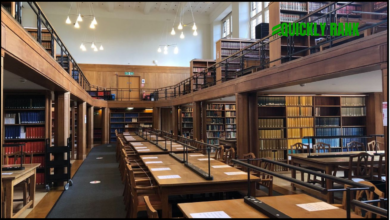
The national library of scotland provides comfortable study spaces, quiet reading rooms, and modern research facilities designed to support students, historians, and independent researchers. Visitors interested in consulting rare books or archival materials should register for a reader’s card before requesting access to special collections. Friendly staff members assist users with catalog searches and explain how to locate materials efficiently. These services help ensure every visitor enjoys a productive and rewarding experience.
In addition to research facilities, the library regularly hosts exhibitions showcasing rare manuscripts, historical documents, literary collections, and Scottish cultural treasures. Educational talks, workshops, and public events encourage visitors to engage with Scotland’s heritage in meaningful ways. These exhibitions change throughout the year, providing fresh experiences for returning visitors and local residents alike. Families, students, and tourists can all benefit from these engaging cultural programs.
Accessibility remains a priority across the library’s public spaces, with facilities designed to accommodate visitors with different needs. Cafés, gift shops, and comfortable seating areas allow guests to relax between exhibitions or research sessions. Before visiting, checking opening hours and exhibition schedules online is recommended to make the most of your day. Careful planning ensures a memorable and educational visit regardless of your interests.
Digital Resources and Research Services
The national library of scotland has embraced digital innovation by making millions of historical resources available online. Researchers can access digitized books, maps, newspapers, photographs, manuscripts, and audiovisual materials from anywhere in the world. These digital collections reduce the need to handle fragile originals while making valuable historical records more widely available. The online catalog continues to expand as additional collections are digitized each year.
Modern search tools available through the national library of scotland allow users to locate information quickly across numerous collections. Researchers can search by subject, author, location, publication date, or collection type, making academic work significantly more efficient. Digital databases support university research, local history projects, genealogy investigations, and independent scholarship. These resources save valuable time while improving access to specialized information.
Professional librarians provide expert guidance to researchers seeking rare materials or specialized historical records. Whether investigating Scottish family history, literary works, government publications, or historical newspapers, visitors receive knowledgeable assistance throughout the research process. Personalized support helps both experienced academics and first-time visitors navigate the extensive collections confidently. This high level of service contributes significantly to the library’s international reputation.
Digital preservation also plays an important role in protecting Scotland’s documentary heritage for future generations. Advanced technology ensures valuable historical documents remain secure while allowing global audiences to explore Scottish culture online. Continuous investment in digitization demonstrates the library’s commitment to combining traditional preservation methods with innovative technology. As digital collections grow, worldwide access to Scottish history becomes increasingly comprehensive.
Membership and Access at the National Library of Scotland
Joining the national library of scotland is free for anyone who needs access to its research collections and reading rooms. Registration is straightforward, and eligible visitors can apply for a reader’s card to consult books, manuscripts, maps, newspapers, and other archived materials. The library welcomes students, academics, genealogists, authors, and members of the public who wish to carry out serious research. Helpful staff members guide new visitors through the registration process and explain how to request items from the collections.
The national library of scotland also offers access to a wide range of digital resources, allowing users to explore selected collections from anywhere in the world. Members can benefit from online databases, electronic publications, and digitized historical documents that support academic and personal research. By combining traditional reading room services with modern digital access, the library ensures knowledge remains available to both local and international users.
Membership Benefits
- Free reader registration for eligible users
- Access to reading rooms and research facilities
- Use of millions of books and archival materials
- Online access to selected digital collections
- Professional research assistance from library staff
- Quiet study spaces for academic work
- Access to historic newspapers, maps, and manuscripts
These benefits make membership an excellent choice for students, researchers, and anyone interested in exploring Scotland’s rich documentary heritage.
Exhibitions and Events at the National Library of Scotland
The national library of scotland regularly hosts exhibitions that showcase rare books, manuscripts, photographs, maps, and important historical documents. These exhibitions highlight Scotland’s rich literary and cultural heritage while introducing visitors to unique treasures from the library’s vast collections. Carefully curated displays make complex historical topics engaging and accessible for visitors of all ages, creating an enjoyable learning experience.
Beyond exhibitions, the national library of scotland organizes lectures, workshops, author talks, educational programs, and cultural events throughout the year. These activities encourage public participation and provide opportunities to learn directly from historians, researchers, and subject experts. Whether attending a literary discussion or a historical presentation, visitors gain valuable insights into Scotland’s past and present.
Popular Events and Activities
- Temporary historical exhibitions
- Author talks and book launches
- Educational workshops
- Family learning activities
- Cultural heritage presentations
- Academic lectures
- Community engagement programs
These events create meaningful learning opportunities while encouraging visitors to engage more deeply with Scotland’s history and culture.
Family History Research at the National Library of Scotland
Many people visit the national library of scotland to explore their Scottish ancestry through its extensive genealogy resources. Historical newspapers, parish records, directories, maps, local publications, and archival materials provide valuable information for tracing family histories across generations. Researchers can access both printed and digital resources, making it easier to uncover historical connections and personal stories.
The national library of scotland also supports genealogy research through expert guidance and comprehensive reference collections. Library specialists help visitors identify useful resources and recommend research strategies for locating difficult-to-find historical records. This combination of expert assistance and world-class collections makes the library one of the best places to research Scottish family history.
Genealogy Resources Available
- Historic Scottish newspapers
- Parish and church records
- Census reference materials
- Historic maps and directories
- Local history collections
- Family history research guides
- Digital genealogy databases
These resources provide an excellent foundation for discovering family connections and understanding Scotland’s local and national history.
Future Vision of the National Library of Scotland
The national library of scotland continues investing in digitization, conservation, and innovative technologies to preserve Scotland’s documentary heritage for future generations. Ongoing projects focus on expanding digital collections, improving online access, and protecting rare materials through advanced preservation techniques. These initiatives ensure that valuable historical resources remain available while reducing wear on original documents.
Looking ahead, the national library of scotland aims to strengthen its role as a global center for research, education, and cultural preservation. Future developments will improve accessibility, support academic collaboration, and encourage more people to engage with Scotland’s rich literary and historical heritage. By embracing innovation while protecting priceless collections, the library will remain one of Europe’s leading research institutions for many years to come.
Future Priorities
- Expand digital archives
- Preserve rare manuscripts
- Improve online research tools
- Increase educational outreach
- Support academic partnerships
- Enhance visitor experiences
- Protect Scotland’s cultural heritage
These priorities will help the library continue preserving Scotland’s knowledge while making its collections more accessible to future generations.
Why the National Library of Scotland Matters
The national library of scotland plays an essential role in preserving Scotland’s cultural identity and intellectual heritage. Through legal deposit legislation, it receives copies of thousands of new publications every year, ensuring contemporary knowledge is preserved alongside historical collections. This ongoing expansion allows future generations to study how Scottish society, literature, education, and culture continue to develop. The library therefore serves as both a historical archive and a modern knowledge center.
Beyond preserving publications, the national library of scotland supports education, academic research, public engagement, and lifelong learning. Schools, universities, museums, historians, and government organizations all rely on its collections to support research and educational initiatives. Public exhibitions and outreach programs encourage people of all ages to explore Scotland’s remarkable history. These activities strengthen public appreciation for the nation’s literary and cultural achievements.
The library also contributes significantly to tourism by attracting visitors from across the United Kingdom and around the world. International researchers frequently travel to Edinburgh specifically to access its unique collections and archives. Local businesses, hotels, and cultural attractions also benefit from the steady flow of visitors interested in Scotland’s heritage. This cultural tourism strengthens both the local economy and Scotland’s global reputation.
Looking ahead, the library continues investing in conservation, digitization, and educational programs that will expand access to knowledge for future generations. New technologies are making collections easier to discover while preserving fragile historical materials for long-term protection. Through innovation, accessibility, and preservation, the library remains one of the world’s leading research institutions. Its lasting contribution ensures Scotland’s history and culture remain available for everyone to explore and appreciate.
Conclusion
The national library of scotland is one of the country’s greatest cultural and educational institutions, offering an extraordinary collection of books, manuscripts, maps, archives, and digital resources for researchers and visitors alike. Its rich history, world-class collections, engaging exhibitions, and modern research services make it an essential destination for anyone interested in Scottish heritage. Whether you visit in person or explore its online collections, the library provides invaluable opportunities to discover, learn, and connect with Scotland’s remarkable past while supporting future generations of knowledge and research.
Also Read:Nottingham Belfry Hotel Administration Effects on Guests Staff Hospitality
Frequently Asked Questions
1. What is the National Library of Scotland?
The national library of scotland is Scotland’s national research library, preserving millions of books, manuscripts, maps, newspapers, and digital collections.
2. Where is the National Library of Scotland located?
Its main public library is located on George IV Bridge in Edinburgh, with additional facilities in Glasgow and other locations.
3. Is the National Library of Scotland free to visit?
Yes, visitors can access public exhibitions and many areas of the library free of charge.
4. Can anyone join the National Library of Scotland?
Yes, eligible visitors can register for a free reader’s card to use the library’s research collections.
5. What collections is the National Library of Scotland famous for?
It is especially known for its rare books, historic manuscripts, newspapers, and one of the world’s finest map collections.
6. Does the National Library of Scotland offer online resources?
Yes, it provides extensive digital collections, including maps, books, newspapers, and research databases.
7. Why is the National Library of Scotland important?
It preserves Scotland’s cultural and historical heritage while supporting education, research, and lifelong learning.