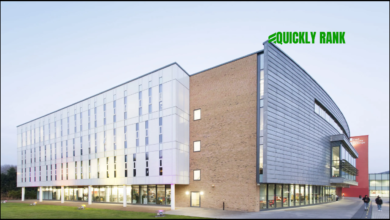
Red brick universities are among the most recognised and respected higher education institutions in the United Kingdom, offering a combination of historic importance, academic excellence, and modern innovation. These universities were established mainly during the 19th and early 20th centuries to provide practical education in growing industrial cities. Known for their distinctive architecture, strong research reputation, and connections with professional industries, they have played a major role in shaping British education. Today, students from across the world choose these institutions because of their quality teaching, career opportunities, and globally recognised qualifications.
The history of red brick universities reflects the development of modern higher education beyond traditional universities such as Oxford and Cambridge. They introduced new areas of study, including engineering, medicine, science, and technology, while creating opportunities for a wider range of students. Many of these universities continue to achieve excellent results in research, graduate employment, and international rankings. Understanding their origins, benefits, and unique features can help students make better decisions when choosing a university in the UK.
Why Students Choose Red Brick Universities in the UK
Red brick universities continue to attract thousands of students every year because they offer a combination of academic excellence, historic reputation, and modern learning facilities. These red brick universities have developed strong identities through decades of teaching, research, and contributions to society. Many students consider them attractive because their degrees are recognised by employers both in the UK and internationally. The combination of traditional values and innovative education makes these universities a popular choice for ambitious learners.
Another reason students choose red brick universities is the wide range of academic programmes available across different fields. Whether students are interested in medicine, engineering, business, law, technology, or humanities, they can find specialised courses designed to support their career goals. Many departments have strong links with industries, allowing students to gain practical knowledge alongside theoretical learning. This approach helps graduates develop skills that are valuable in competitive job markets.
Student life is also an important factor when selecting a university, and many of these institutions provide exciting city-based experiences. Students benefit from cultural attractions, professional opportunities, entertainment options, and diverse communities surrounding the campuses. The urban locations allow learners to build social networks while gaining independence during their studies. This balance between education and lifestyle makes these universities appealing to domestic and international students.
The reputation of these universities also plays a major role in student decisions. Many graduates from red brick universities become successful professionals in areas such as science, politics, business, healthcare, and technology. Strong alumni networks often provide career guidance, mentoring, and employment opportunities after graduation. These long-standing connections help students feel confident about their future prospects.
Research Strength and Innovation at Red Brick Universities
Research has always been one of the main strengths of red brick universities in the UK. Many universities have contributed to important discoveries and developments in medicine, science, engineering, and technology. Their research departments often collaborate with governments, businesses, and international organisations to solve real-world problems. This focus on innovation creates an environment where students can learn from experts working on advanced projects.
Modern facilities and research centres are another important feature of these universities. Many institutions invest heavily in laboratories, libraries, digital resources, and specialist equipment to support academic progress. Students studying research-based subjects often have access to advanced tools that improve their learning experience. These resources help create opportunities for innovation and professional development.
Postgraduate students particularly benefit from the research culture found within these institutions. Students studying at red brick universities can work alongside experienced academics and contribute to projects with global importance. Research opportunities can improve analytical skills, academic knowledge, and professional confidence. This makes these institutions attractive destinations for students planning careers in research and specialist industries.
The research reputation of these universities also strengthens their global position. International partnerships allow academics and students to participate in worldwide projects and knowledge exchange programmes. These connections increase opportunities for collaboration and create a diverse academic environment. As a result, many students view research opportunities as one of the biggest advantages of studying at these institutions.
Career Opportunities After Studying at Red Brick Universities
Graduate employment is one of the key reasons students consider red brick universities for higher education. Employers often recognise degrees from established institutions because they are associated with strong academic standards and professional preparation. Many graduates successfully enter competitive industries such as finance, healthcare, technology, education, and engineering. The reputation of these universities can provide an advantage when applying for internships and graduate roles.
Career support services are another valuable feature offered by many institutions. Students can access job fairs, career advice, interview preparation, and networking opportunities throughout their studies. These services help students understand industry expectations and prepare for professional life after graduation. Many universities also work closely with companies to create placement opportunities for students.
The alumni communities connected with these universities provide long-term career benefits. Graduates often become part of global networks that include professionals, researchers, entrepreneurs, and industry leaders. These connections can support career growth through mentorship, collaboration, and professional opportunities. A strong alumni network is one of the reasons these universities maintain their reputation over many generations.
Employability is not only about finding a job but also developing skills needed for long-term success at red brick universities. Students often gain communication skills, problem-solving abilities, research experience, and leadership qualities. These transferable skills are valuable across many industries and career paths. The combination of academic knowledge and practical experience helps graduates adapt to changing employment markets.
Admission Requirements for Red Brick Universities
Applying to red brick universities usually requires students to meet specific academic and personal criteria before receiving an offer. Entry requirements vary depending on the university, course, and level of study, with competitive programmes often requiring higher grades. Undergraduate applicants typically need strong results from qualifications such as A-levels or equivalent international qualifications. Postgraduate applicants may need relevant degrees, research experience, or professional backgrounds depending on their chosen subject.
The application process also involves preparing important documents that demonstrate academic ability and motivation. Students may need to submit personal statements, academic transcripts, references, and proof of English language skills if they are international applicants. Many red brick universities look for students who show enthusiasm, commitment, and potential for success in their chosen field. Planning applications carefully can improve the chances of gaining admission to a preferred institution.
Admission requirements checklist:
- Meet the required academic grades for your chosen course
- Research specific university entry requirements
- Prepare a strong personal statement
- Provide academic transcripts and certificates
- Submit professional or academic references
- Complete English language tests when required
- Prepare financial documents for study costs
- Apply before university deadlines
- Review visa requirements for international study
Understanding admission criteria early can help students prepare stronger applications and avoid missing important requirements. Careful planning allows applicants to highlight their strengths and improve their chances of joining a respected UK institution.
Campus Facilities and Student Support Services
Modern campuses at red brick universities provide students with a wide range of facilities designed to support academic achievement and personal development. These include advanced libraries, research centres, computer facilities, sports areas, and dedicated study spaces. Many universities continue investing in campus improvements to create comfortable and innovative learning environments. These facilities help students access the resources they need throughout their academic journey.
Student support is another important part of university life, with services available for academic guidance, career planning, wellbeing, and accommodation assistance. Many red brick universities offer specialist support teams to help students adjust to university life and overcome challenges. International students can also access advice on visas, cultural adaptation, and language support. These services contribute to a positive and inclusive student experience.
Common campus facilities and support services include:
- Modern university libraries and research centres
- Advanced laboratories and specialist equipment
- Computer rooms and digital learning platforms
- Student accommodation support services
- Career advice and employment guidance
- Mental health and wellbeing support
- Sports facilities and student societies
- International student assistance programmes
- Academic skills development workshops
These facilities create a supportive environment where students can achieve academic goals while enjoying a balanced university lifestyle. Access to professional guidance and modern resources helps students develop both personal confidence and career-ready skills.
International Reputation of Red Brick Universities
The global reputation of red brick universities attracts students from many different countries who are looking for high-quality education in the UK. Their research achievements, experienced academics, and long histories have helped them build strong international recognition. Many graduates continue successful careers around the world, strengthening the reputation of these institutions. Global partnerships and exchange programmes also increase their international influence.
International students often choose these universities because they provide opportunities to experience different cultures while earning respected qualifications. Studying at red brick universities allows students to develop global networks with classmates, researchers, and professionals. These connections can become valuable for future career opportunities and international collaborations. The combination of academic excellence and cultural diversity makes them attractive destinations worldwide.
Reasons for their international popularity:
- Globally recognised academic qualifications
- Strong reputation for research and innovation
- Diverse international student communities
- Partnerships with worldwide institutions
- Excellent graduate employment opportunities
- Experienced academic professionals
- Strong alumni networks across countries
- Opportunities for international exchange programmes
- High employer recognition worldwide
The international appeal of these universities continues to grow because they combine academic tradition with modern educational approaches. Their global connections help students gain valuable experiences that support future professional success.
Comparing Red Brick Universities With Other UK Universities
When comparing universities, students should consider more than reputation alone and evaluate factors such as course quality, location, facilities, and career outcomes. Red brick universities are known for their historic backgrounds and research strengths, but many newer universities also provide excellent teaching and specialist programmes. The right choice depends on each student’s academic interests and personal goals. A detailed comparison can help applicants select a university that matches their ambitions.
Although red brick universities have a strong traditional identity, modern universities across the UK continue to develop innovative courses and excellent learning environments. Students should research university rankings, graduate employment rates, student satisfaction, and available opportunities before making decisions. Choosing a university is a personal decision that should consider long-term career plans and overall student experience. A balanced approach helps students find the institution that best supports their future success.
Key comparison factors to consider:
- Course quality and academic reputation
- University rankings for specific subjects
- Tuition fees and living expenses
- Campus facilities and resources
- Location and city environment
- Student satisfaction ratings
- Graduate career opportunities
- Research opportunities available
- Social life and student experience
Comparing different universities carefully helps students understand the advantages and limitations of each option. While reputation is important, selecting a university that matches individual goals, interests, and career plans is the best approach for long-term success.
Future of Red Brick Universities in Modern Higher Education
Red brick universities continue to evolve as the needs of students and industries change. While they maintain their historic traditions, they are also investing in technology, sustainability, and modern teaching methods. Digital learning platforms, innovative research programmes, and global partnerships are becoming increasingly important. These developments allow these institutions to remain competitive in a rapidly changing education sector.
The future success of these universities depends on their ability to combine heritage with innovation. Their historic buildings and traditions provide a strong identity, while new approaches ensure they meet modern academic expectations. Many red brick universities are focusing on areas such as artificial intelligence, renewable energy, healthcare research, and advanced technology. This balance helps them remain influential in global education.
International collaboration will also play a major role in the future development of these institutions. Partnerships with universities, research centres, and organisations around the world create new opportunities for knowledge exchange. International students continue to contribute to campus diversity and global perspectives. These connections strengthen the reputation and influence of British higher education.
As higher education continues to change, these universities are expected to remain important centres of learning and research. Their combination of history, academic quality, and professional connections gives them a unique position within the UK university system. By adapting to new challenges while preserving their traditions, red brick universities will continue supporting future generations of students.
Conclusion
Red brick universities remain an important part of the UK’s higher education system, combining historic traditions with modern research and innovation. Their strong academic reputation, industry connections, and global recognition make them popular choices for students seeking quality education and career development. With their continued focus on technology, research, and student support, these universities are expected to remain influential institutions for future generations.
Also Read:Yorkshire Wildlife Park Tickets Explained Prices Offers Facilities Planning Guide
Frequently Asked Questions
What are red brick universities?
Red brick universities are historic UK universities founded mainly during the Victorian and Edwardian periods, known for research, innovation, and strong academic reputations.
How many original red brick universities are there?
The original group includes six universities: Birmingham, Bristol, Leeds, Liverpool, Manchester, and Sheffield.
Why are they called red brick universities?
They are called red brick universities because many of their early buildings were constructed using distinctive red brick architecture.
Are red brick universities good for international students?
Yes, many attract international students due to their recognised degrees, research opportunities, and diverse campus communities.
Are all red brick universities part of the Russell Group?
No, although several are Russell Group members, the two classifications are separate and not identical.
What subjects are popular at red brick universities?
Popular subjects include medicine, engineering, business, computer science, law, sciences, and humanities.
Do red brick universities have good career opportunities?
Yes, graduates often benefit from strong employer recognition, professional networks, and excellent career support services.